GBIF Gap Finder goes to COP17: turning biodiversity data gaps into action
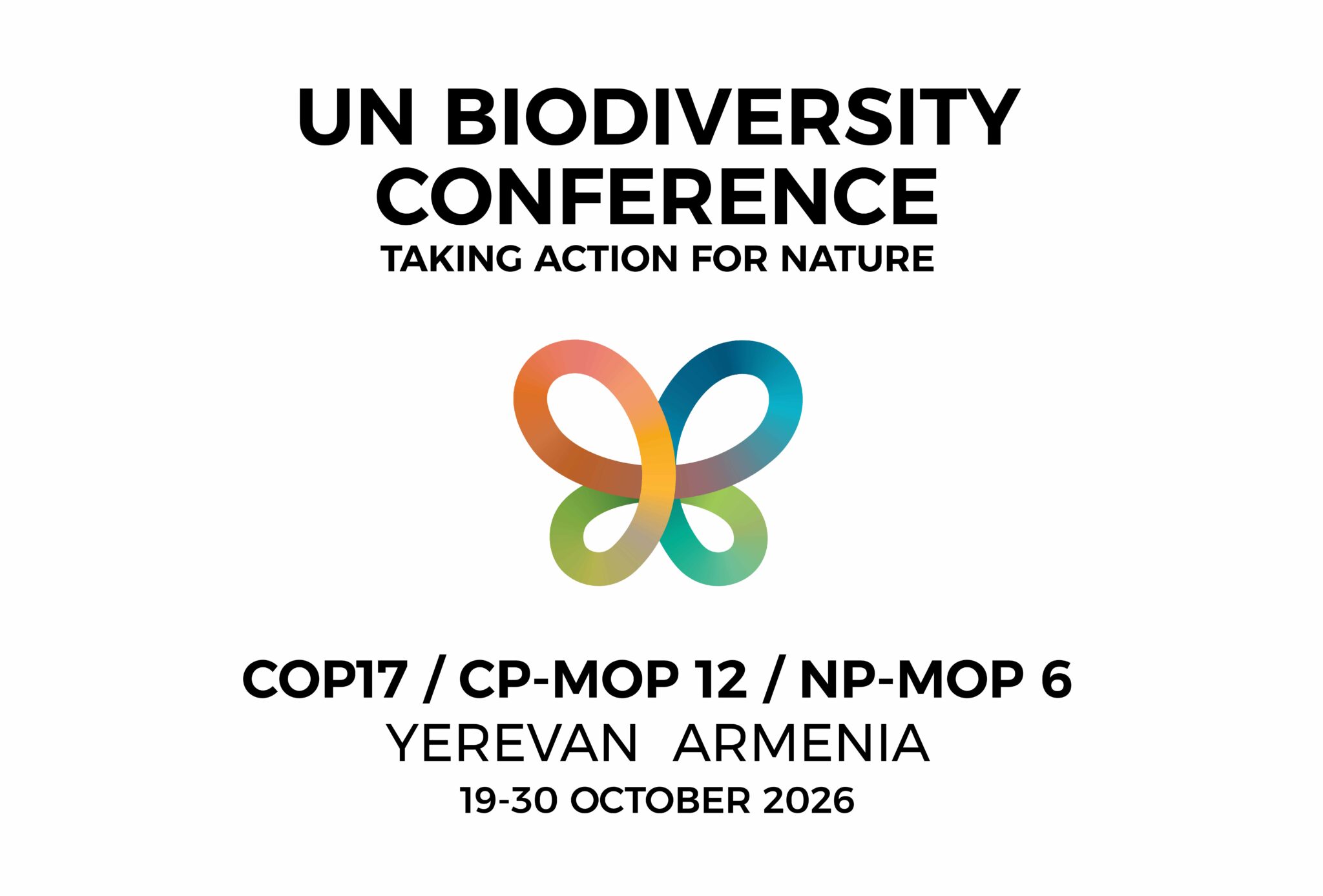
The newly launched GBIF Gap Finder, developed by GBIF Sweden, will be showcased at the Data to Action Pavilion during the 17th meeting of the Conference of the Parties to the Convention on Biological Diversity (CBD COP17), taking place in Yerevan, Armenia, from 19 to 30 October 2026.
The demonstration will highlight how biodiversity data can help countries identify gaps in available information and translate these findings into priorities for data mobilization, monitoring and conservation.
Bringing biodiversity data into decision-making
Located in the conference’s Blue Zone, the Data to Action Pavilion is a collaborative initiative convened by the Group on Earth Observations (GEO), GEO BON, GBIF, the Smithsonian Institution and the University of Zurich.
The pavilion brings together organizations working with biodiversity data, Earth observations, scientific knowledge and digital technologies to accelerate implementation of the Kunming-Montreal Global Biodiversity Framework.
Under the theme Data to Action, the pavilion will explore five areas: turning data into decisions; technology, innovation and data governance; connecting knowledge systems and people; building capacity for biodiversity action; and biodiversity monitoring across sectors and systems.
The GBIF Gap Finder provides a practical example of how existing biodiversity data infrastructures can contribute to these objectives.
Identifying gaps and setting priorities
Built on GBIF biodiversity data cubes and national species checklists, the Gap Finder allows users to explore geographical, temporal and taxonomic gaps in biodiversity data.
Developed initially for Sweden, the tool combines GBIF-mediated occurrence data with national species information to identify poorly represented species groups, regions and time periods. These analyses can help researchers, data publishers and environmental authorities prioritize data mobilization and identify where additional monitoring may be needed.
The approach is particularly relevant to Target 21 of the Global Biodiversity Framework, which emphasizes access to biodiversity data, information and knowledge for decision-making and effective biodiversity management.
Importantly, the Gap Finder is open source and can be adapted by other countries with suitable national species checklists. The COP17 demonstration will therefore also provide an opportunity to introduce the approach to other GBIF nodes and organizations interested in assessing their national biodiversity data coverage.
Join the demonstration at COP17
The session, GBIF Gap Finder: Turning National Biodiversity Data Gaps into Action, is provisionally scheduled for:
Thursday, 29 October 2026, 14:45–15:15
Data to Action Pavilion, Blue Zone, CBD COP17, Yerevan, Armenia
The demonstration will introduce the tool and show how GBIF biodiversity data cubes and national reference information can be used to identify data gaps and inform practical priorities.
Access to the Blue Zone requires COP17 accreditation. The final pavilion programme will be published by the organizers.
Explore the Data to Action Pavilion: https://earthobservations.org/about-us/events/cop17/page/cop17-pavilion
Explore the GBIF Gap Finder: https://www.gbif.se/gap-finder/
Access the open-source code: https://github.com/GBIF-Sweden/gbif_gap_finder